


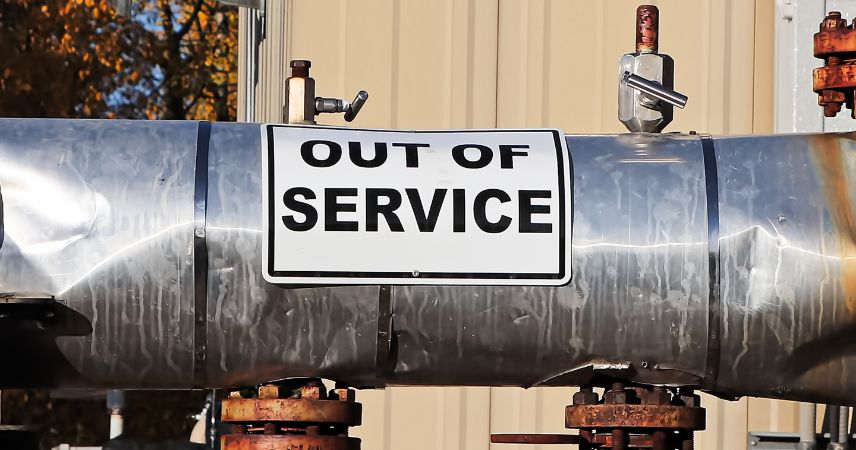
Deferred maintenance is one of the most common reasons I see buyers reduce their offers, and it’s also one of the most preventable problems a seller can address before going to market.
Every business has maintenance requirements. Equipment needs service. Facilities, if owned, need upkeep. Roofs wear out. HVAC systems age. Software needs updating. When owners defer this work to preserve cash flow or because they’re already thinking about selling, the problem compounds. And buyers see it immediately.
I’ve been involved in business transfers since 1990, and I’ve walked through hundreds of facilities with potential buyers. I can tell you that what the buyer sees during that walkthrough affects their offer more than most sellers realize.
Key Takeaways:
- Deferred maintenance signals poor management to buyers and directly reduces your sale price
- Buyers calculate the cost of addressing maintenance issues and deduct it from their offer, often at a multiple of the actual repair cost
- Equipment, facilities, technology systems, and fleet vehicles all fall under the maintenance scrutiny of due diligence
- Addressing maintenance issues 12 to 24 months before selling gives you time to improve conditions without panic spending
- The return on maintenance investment before a sale often exceeds the cost by a factor of two to five
Why Deferred Maintenance Hurts Your Sale Price
Buyers aren’t just looking at your financial statements when they evaluate your business. They’re walking through your facility, inspecting your equipment, and riding in your vehicles. What they see creates an impression. That impression directly affects what they’re willing to pay.
Here’s the problem with deferred maintenance. It tells buyers two things at once, and neither is good.
First, it tells them the business will require capital investment they didn’t originally plan for. A buyer who was prepared to pay $10 million for your business now realizes they need to invest another $500,000 in the first year just to bring things up to standard. That $500,000 comes off their offer.
Second, and this is the part that really hurts, deferred maintenance signals management quality issues. If the owner let the equipment deteriorate, what else has been neglected? Customer relationships? Employee training? Financial controls? Once a buyer starts questioning your management discipline, they discount the entire business, not just the maintenance items.
The deferred maintenance business valuation impact goes well beyond the direct repair costs.
What Buyers Actually Look At During Walkthroughs
The facility walkthrough from the buyer’s perspective is different from how you see your own business. You see familiar equipment. They see potential liabilities.
Here’s what buyers scrutinize most during due diligence:
Production equipment. Is it well-maintained? Are service records current? What’s the remaining useful life? Equipment that’s been patched and bandaged rather than properly serviced or replaced costs the buyer real money.
Facility condition. If owned, Roof condition, HVAC systems, electrical infrastructure, plumbing, paint, flooring, and general cleanliness all register with buyers. A facility that looks worn out suggests the owner has been extracting cash without reinvesting.
Fleet vehicles. For distribution and service companies, vehicle fleets are a major category. Buyers pull maintenance logs, inspect vehicle condition, and estimate replacement timelines.
Technology infrastructure. Servers, network equipment, computer workstations, and software systems. Buyers increasingly evaluate the technology stack and its ability to support continued operations without immediate replacement.
Safety equipment and compliance items. Fire suppression, safety guards on equipment, and any items subject to regulatory inspection. Non-compliance creates legal risk for the buyer and they’ll deduct accordingly.
Buyer concerns about facility condition aren’t limited to what’s visible. Due diligence teams will ask for maintenance records, service contracts, and capital expenditure history. They’re building a picture of how the business has been maintained over time.
How Buyers Calculate Deductions for Deferred Maintenance
This is where the math gets uncomfortable.
When a buyer identifies deferred maintenance, they don’t just deduct the cost of the repair. They often deduct a multiple of that cost. Here’s why.
Say a buyer identifies $200,000 in deferred maintenance during due diligence. The direct cost to address those issues is $200,000. But the buyer also has to fund the working capital to pay for it, manage the disruption while the work gets done, and potentially finance the repairs through their acquisition loan.
More importantly, many buyers reduce their valuation multiple when they see significant maintenance backlog. If your business was valued at 5x EBITDA based on clean condition, a buyer with maintenance concerns might apply a 4.5x or 4.7x multiple instead. On a $2 million EBITDA business, that’s $600,000 in lost value from a multiple reduction, plus the $200,000 repair cost, for a total hit approaching $800,000.
Buyer deductions for deferred maintenance compound quickly. And the seller is the one absorbing the full impact.
| Deferred Maintenance Severity | Typical Buyer Response |
|---|---|
| Minor items, well documented | Absorbed into normal negotiation |
| Moderate backlog, visible during walkthrough | Dollar-for-dollar deduction from offer |
| Significant backlog across multiple categories | Deduction plus reduced valuation multiple |
| Major systemic neglect | Deal may stall or collapse entirely |
How Deferred Maintenance Affects EBITDA
There’s another layer to this problem that many sellers miss.
Deferred maintenance doesn’t just affect the sale price through direct deductions. It often affects your reported EBITDA because buyers will normalize for maintenance that should have been happening but wasn’t.
Here’s how that works. A sophisticated buyer reviews your last three years of capital expenditures and maintenance spending. They compare it to industry benchmarks for a business of your size. If your spending has been materially below what’s typical, they’ll adjust your EBITDA downward by adding back a “normalized” maintenance expense.
How deferred maintenance reduces EBITDA in this calculation can be substantial. A business spending $50,000 annually on maintenance when industry norms suggest $200,000 would see a $150,000 EBITDA adjustment. At a 5x multiple, that’s $750,000 in lost valuation.
This is one reason I tell owners to be careful about cash flow optimization strategies that cut legitimate maintenance spending. You’re not saving money. You’re deferring a bill that will come due at your highest-stakes financial moment.
Addressing Maintenance Issues Before Selling
If you’re planning to sell in the next one to three years, start the maintenance catch-up work now. Not six months before going to market. Now.
Here’s why the timing matters. Buyers look at capital expenditure patterns across multiple years, not just the most recent period. A sudden surge in maintenance spending right before a sale looks exactly like what it is: a rush to clean up neglected items. That pattern raises suspicion rather than resolving it.
Addressing maintenance issues 12 to 24 months in advance gives you several advantages:
- You can spread the spending across multiple periods instead of absorbing it all at once
- Your maintenance records show a consistent pattern of reinvestment
- Equipment and facilities have time to demonstrate improved performance
- You identify issues you didn’t know about before a buyer’s team finds them
- Your normalized EBITDA calculations support the valuation you want
The work doesn’t have to be dramatic. Start with a comprehensive assessment. Walk through your facility with a critical eye, ideally with someone who doesn’t see it every day. Review equipment service logs. Get quotes on major repairs. Build a prioritized list.
Then start working through it methodically. Small consistent investments produce better results than major last-minute spending.
The Return on Maintenance Investment
I’ve had sellers push back on maintenance recommendations because they don’t want to spend money on a business they’re about to sell. I understand the logic. But the math usually works in favor of addressing the issues.
Consider a $2.5 million EBITDA business where $300,000 in deferred maintenance is identified during due diligence. The buyer might:
- Deduct the $300,000 directly from the offer
- Apply a lower multiple, reducing valuation by another $500,000 to $800,000
- Normalize EBITDA downward, reducing valuation further
The total impact on the sale price could exceed $1 million. Against that, spending $300,000 to actually fix the issues before going to market looks like a smart investment.
In most cases I’ve seen, sellers who invest in addressing maintenance before selling recover that investment two to five times over through better sale prices and smoother negotiations. That’s not a guaranteed return, but the pattern is consistent enough to treat as reliable guidance.
The Red Flags Buyers Watch For
Beyond specific maintenance items, buyers watch for patterns that signal systemic neglect. These deferred maintenance red flags in M&A due diligence include:
Declining capital expenditures over time. If your capex has been dropping year over year, buyers will ask why. They assume you’ve been preparing for sale by reducing spending.
Gaps in service records. Missing or incomplete maintenance logs suggest either disorganization or intentional omission. Neither is good.
Recent band-aid repairs on major items. Buyers can tell the difference between proper maintenance and temporary fixes. Patched equipment that should have been replaced tells a story.
Inconsistent maintenance standards across the business. If one area looks well-maintained and another looks neglected, buyers wonder what else is being managed inconsistently.
Employee comments during site visits. Buyers sometimes talk to staff during facility tours. If employees mention equipment that constantly breaks down or facility issues that never get addressed, that information affects the offer.
FAQ
How does deferred maintenance reduce the final sale price of my business?
Deferred maintenance reduces your sale price in three ways: direct dollar-for-dollar deductions for repair costs, reduced valuation multiples when buyers lose confidence in management discipline, and downward EBITDA adjustments when normalized maintenance spending exceeds historical actuals. The combined impact often exceeds three to four times the actual repair cost.
What types of deferred maintenance do buyers scrutinize most during due diligence?
Production equipment, facility condition including roofs and HVAC, fleet vehicles, technology infrastructure, and safety and compliance items all receive careful scrutiny. Buyers typically request maintenance records, service contracts, and capital expenditure history across multiple years to evaluate how well the business has been maintained.
How far in advance should I address deferred maintenance issues before selling my business?
Start 12 to 24 months before you plan to engage an M&A advisor. Buyers look at maintenance and capital expenditure patterns across multiple years, so sudden spending increases right before a sale can actually raise concerns rather than resolving them. Consistent reinvestment over time produces the best results.
Can buyers use deferred maintenance as leverage to reduce their offer during negotiations?
Yes, and they do regularly. Deferred maintenance discovered during due diligence is one of the most common reasons buyers reduce their offers after initial agreement. The reduction often exceeds the direct repair cost because buyers also factor in disruption, financing implications, and reduced confidence in management.
What is the return on investment for addressing deferred maintenance before going to market?
In my experience, sellers who invest in addressing maintenance issues before selling typically recover their investment two to five times through better sale prices and smoother negotiations. A $300,000 maintenance investment might protect $1 million or more in sale price. The exact return varies by situation but the pattern is consistent.
Protect Your Sale Price by Protecting Your Business
Deferred maintenance is a silent problem that becomes a loud problem at exactly the wrong moment. Every dollar of neglected maintenance translates into multiple dollars of lost sale value when you go to market. And the owners who get the best outcomes are the ones who treat their business like they’re going to own it forever, even when they’re planning to sell.
The good news is this is entirely within your control. Start the assessment. Build the prioritized list. Invest consistently over the 12 to 24 months before a sale. Your future buyer will reward the effort, and so will your final sale price.
Ready to sell your business?
Schedule a confidential market review to discuss how your facility and equipment condition may affect your transaction.
